Hill View Plots in Morni Hills — How to Check a View Will Last
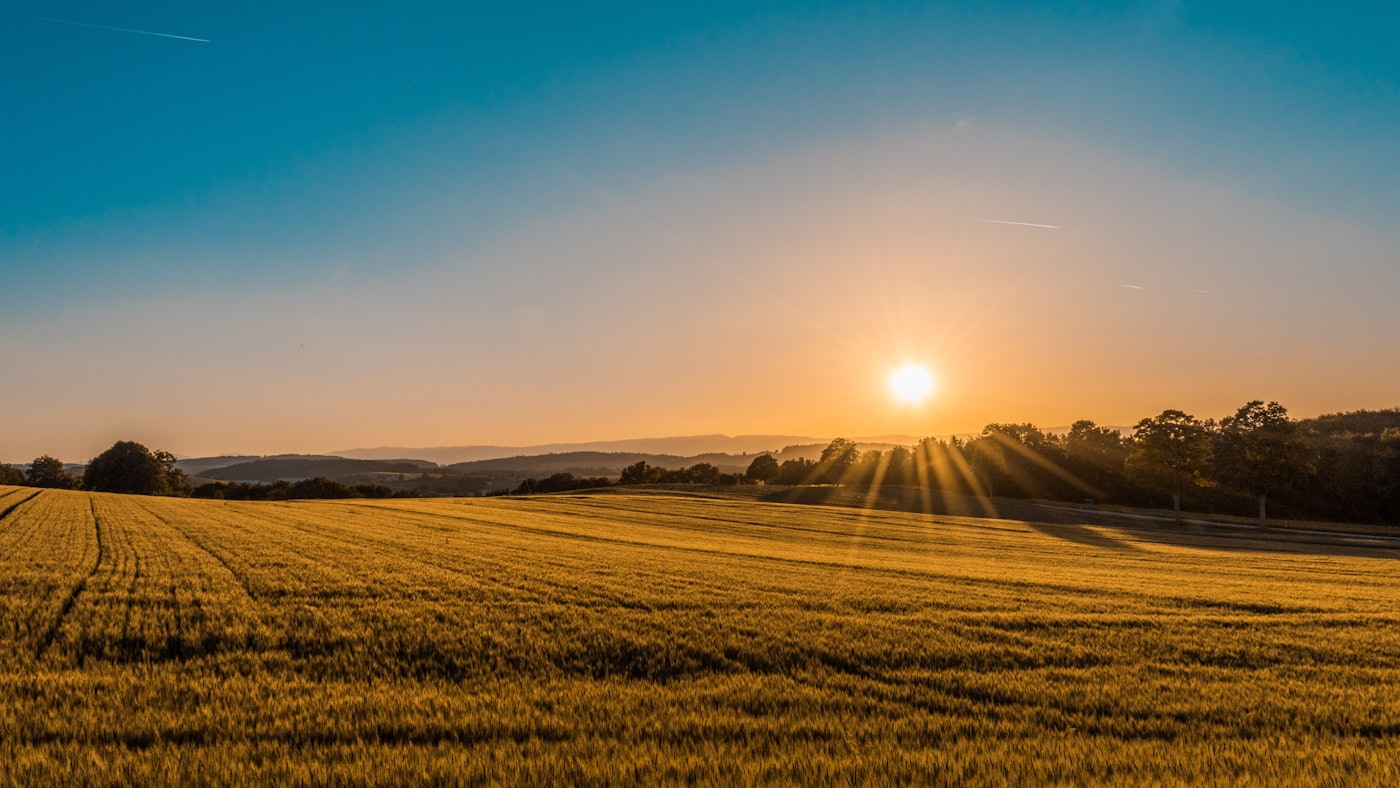
Every plot in Morni has a hill view. The difference between plots is whether that view is protected, and it is possible to check that before you pay a premium for it.
A view premium is money paid for something you cannot register, cannot fence and cannot enforce. That does not make it a bad thing to pay for — it makes it something worth checking carefully, which almost nobody does.
This page is a method for checking whether a hill view will still be there in ten years.
Why some views disappear
- Somebody builds in front. The most common, and the most checkable.
- Trees grow. Slower, quieter, and entirely predictable if you look.
- You build lower than you thought. Cutting into a slope can drop the house below the sight line.
- A boundary wall goes up. Yours or a neighbour's.
- A road or line is put in. Rare here, but worth asking.
The five checks
1. Map what is between you and the view
Stand at the house position and identify every parcel of land in the sight line down to where the ground drops away. For each one, ask who owns it.
2. Establish whether those parcels are buildable
Classification decides this and it is checkable at the district office. Agricultural land where building is not permitted is far more likely to stay open than land already classified for it.
3. Read the slope in front
| What is in front | Likelihood of construction |
|---|---|
| Steep drop or cut face | Low — expensive to build on |
| Gentle terrace | Higher — this is where houses go |
| Wooded land | Low, but confirm ownership and status |
| Land with road access | Higher — access is what makes building viable |
| Land with no vehicle access | Lower, until access changes |
4. Look at the trees, not just the buildings
Young plantations and self seeded growth below a plot will close a view within a decade. Look down the slope and estimate the height of what is growing there. Mature trees are stable; saplings are a future wall.
5. Check what has been built nearby in three years
Count new roofs within sight. If three houses have gone up recently, more will. If nothing has been built in a decade, that tells you something about access and classification in that pocket.
Judge it from the right place
- Stand where the building would actually stand, not at the road.
- Allow for the floor level after any cutting or filling.
- Sit down. Most of your looking will be done seated.
- Check the foreground — a retaining wall or a track can dominate a good view.
- Come back at a different time of day. Light changes what you notice.
What a view is worth paying for
- Worth a premium: an outlook over land that cannot easily be built on, from the position your house will occupy.
- Worth a small premium: a good view over land that could be built on but has not been.
- Not worth a premium: a view from the road that the house will not have.
- Not worth a premium: a view over a gentle accessible terrace that somebody will eventually buy.
Buying the protection, where it is available
The only genuine way to keep a view is to control the land it crosses. That is not always possible, but it is worth asking about at the time of the original purchase rather than after somebody starts building.
- Is the parcel in front small and affordable? Sometimes a strip of land is far cheaper than the view premium you already paid.
- Would the seller include it? If it is part of the same holding, ask. Sellers often agree at the time and rarely afterwards.
- Can you take a recorded agreement instead? Take advice on what is enforceable rather than relying on an understanding.
- Is it worth simply moving the house up? A few metres of height can clear an obstruction that money cannot.
How to record what you were shown
Views are sold on a day, and memories are generous. Make a record while you are there.
- Photograph the outlook from the exact house position, seated, with the date on.
- Photograph the ground in front, so you know what was there when you bought.
- Note which parcels are in the sight line and who owns each.
- Note the height of trees below, so growth can be judged later.
- Keep all of it with your property papers.
If a dispute or a change ever arises, a dated set of photographs from the day of purchase is worth more than any recollection.
What buyers actually ask us
- Can I buy the land in front to protect the view? Sometimes, and it is the only real guarantee.
- Is there any legal protection for a view? No. Plan on the ground, not on rights.
- How much extra is a view worth? Buyers here commonly pay noticeably more; whether it is wise depends entirely on these checks.
- Does everything in Morni have a view? Broadly yes, which is why a protected view is the scarce thing.
We will walk the sight line with you
On any plot where you are paying for a view, we will identify the land in front, tell you who owns it and what it is classified as, and give you our honest opinion on whether it will stay open.
Call or WhatsApp +91 83073 77270, or use the enquiry form. Current plots are on the properties page. See also what a valley view really is and which views are worth paying for.
For photographs of a plot and its outlook, Sandeep Photography covers Panchkula and Morni.
Questions People Ask
+Can my hill view be blocked by someone building?
+Is there any legal protection for a view?
+How do I judge whether land in front will be built on?
+Do trees affect a view?
+Where should I stand to judge a view?
+Can I buy the land in front to protect my view?
+How much extra should I pay for a view?
+Does every plot in Morni have a view?
Read next
- All property in Morni Hills — plots, land, farmhouses and cottages
- Residential plots for sale
- Farmhouses in Morni Hills
- The full Morni property guide
Land records for Haryana are public — look any plot up yourself at jamabandi.nic.in, and district information is at panchkula.gov.in.
Also from us: Sandeep Photography — wedding, pre-wedding and event photography across Chandigarh, Panchkula and Mohali. Most people mark a new house with a griha pravesh, and later a wedding.

Sky Property Morni Hills
We buy, sell and arrange land in Morni and around Panchkula, and we live here. Call +91 83073 77270 with anything this article did not answer.
Looking for land in Morni?
Tell us the budget and the area. Site visits are free, with no obligation.