Hillside Farmhouse in Morni — Building on a Slope
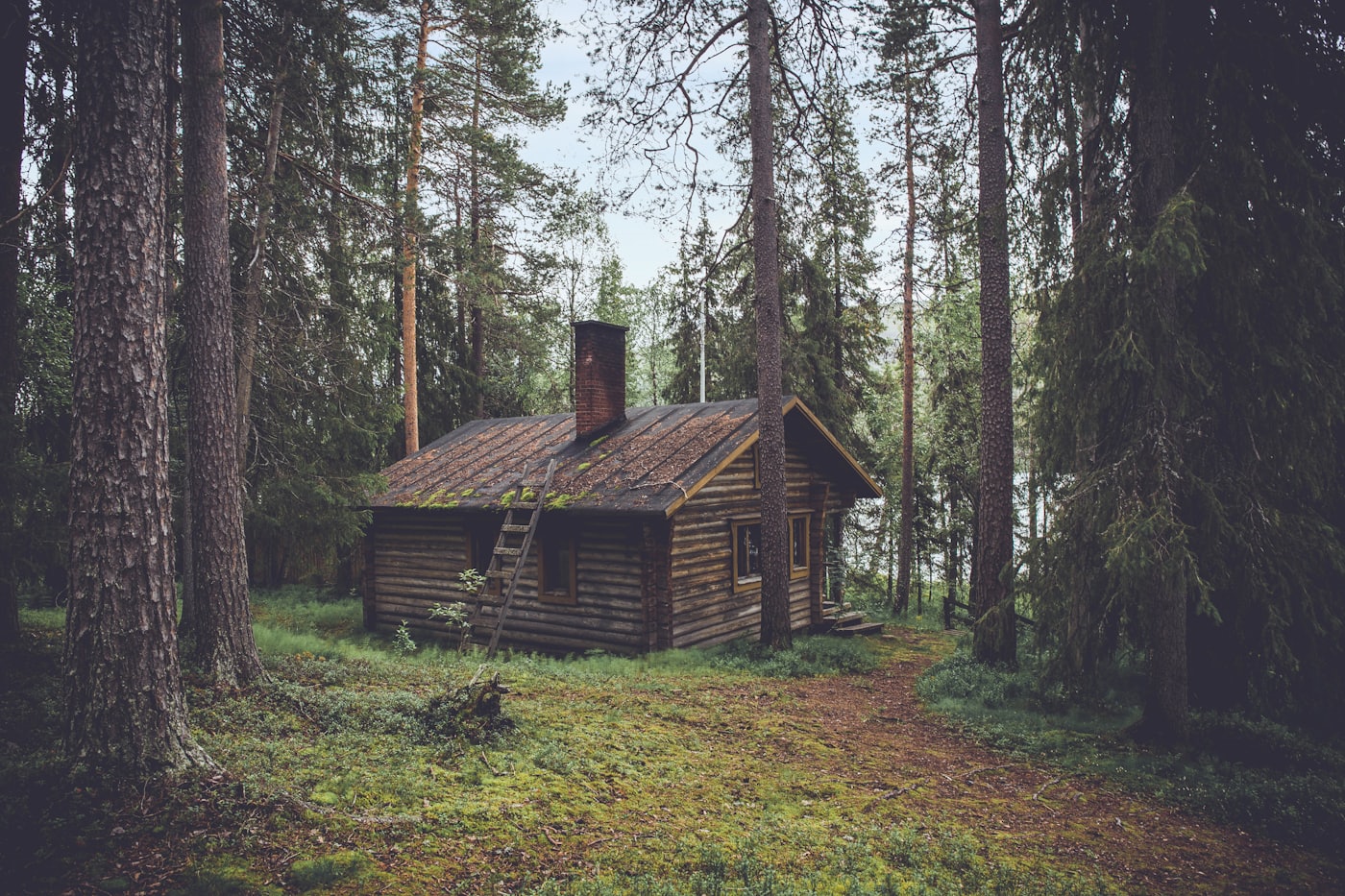
A slope is not a defect, it is an engineering problem with a price. What that price is made of, how to keep it down, and what happens when it is ignored.
Nearly every farmhouse in Morni sits on a slope, because nearly all the land does. Buyers treat slope as a discount and builders treat it as a budget. Both are right, and the gap between the two is where hill projects go wrong.
What the slope actually costs
| Item | Why the hill adds cost |
|---|---|
| Cutting and levelling | Creating a flat platform where none exists |
| Retaining walls | Holding the cut face, and sometimes the fill below |
| Drainage above the house | Diverting water that would otherwise arrive at the wall |
| Foundation | Deeper and stepped, ground dependent |
| Material transport | Rises sharply where a truck cannot reach the site |
| Time | Weather interrupts, and interruptions cost money |
Get a local builder to price these for the specific site before you agree the land price. A city estimate for the same floor area will be wrong, usually by a lot.
How to keep the cost down
- Use an existing terrace. Generations of cultivation have already done the levelling. Build on what is flat.
- Step the house with the slope rather than cutting one large platform.
- Keep the footprint narrow across the slope, long along it.
- Build one storey where you can. Height adds structure on unstable ground.
- Site where a truck reaches, or price the spur before choosing elsewhere.
- Deal with water above the house first, before any wall goes up.
The single biggest saving available is choosing a position that needs one retaining wall rather than three. That decision is made in an afternoon and it affects the whole budget.
Drainage is the thing that kills hill houses
Nearly every expensive repair we see began as water that was not given somewhere to go.
- Build a channel above the house before you build the house.
- Take roof water away from the structure, not to its base.
- Keep drains clear of leaf litter before every monsoon.
- Watch what happens in the first heavy spell and correct it immediately.
- Never allow water to pond behind a retaining wall.
Judging an existing hillside house
- Look at the retaining walls first, before the rooms. Cracks, bulges and fresh plaster all tell you something.
- Ask how many monsoons it has seen and what needed doing after each.
- Walk the uphill side and look for damp at the base of walls.
- Check where roof water discharges.
- Ask whether any part was added later, and whether the addition sits on cut or fill.
- Get a local builder to look at anything structural before you commit.
What a slope gives you in exchange
- The outlook, which is why anyone builds here at all.
- Natural drainage away from the building, when handled correctly.
- Privacy, since houses are rarely overlooked on a slope.
- Lower land cost per unit than level ground.
- Terraces that suit an orchard as well as a house.
Retaining walls, in plain terms
These are the most expensive element of a hill build and the one buyers understand least. A few principles are worth knowing before you talk to a builder.
- A retaining wall holds back earth, not water. Water behind it is what destroys it, which is why drainage is part of the wall and not an extra.
- Weep holes matter. A wall with no way for water to escape is a wall waiting to fail.
- Height increases cost disproportionately. Two low walls in steps are often cheaper and safer than one tall one.
- Fill is weaker than cut. Building on made up ground needs more care than building on original slope.
- Cracks are information. Fine hairline cracks are common; anything wider, or a bulge, needs looking at properly.
When you inspect an existing house, walk the outside of every retaining wall and look for damp patches, bulges and fresh plaster over old repairs.
A sensible build sequence on a slope
- Settle the position, having walked the site in more than one season.
- Build the drainage channel above the house first.
- Cut the platform, and let it stand through a wet spell if the timetable allows.
- Build retaining structures with proper drainage behind them.
- Then foundations, then the house.
- Take roof water well away from the structure, not to its base.
- Watch the first monsoon closely and correct anything immediately.
Reversing steps two and four is the most common and most expensive error on hill sites.
What buyers actually ask us
- How steep is too steep? When three retaining walls are needed, look at another plot.
- Can I level a whole acre? You can. You should not, on cost grounds alone.
- Is stone better than concrete here? Both work. Drainage and workmanship matter more than material.
- How long does a hill build take? Longer than the plains, and weather decides how much longer.
Bring a builder to the viewing
Our strongest advice on slope: get a local builder onto the plot before you buy, not after. An hour of their time turns an unknown into a number, and that number decides whether the land is cheap or expensive.
Call or WhatsApp +91 83073 77270, or use the enquiry form — we can arrange for someone to walk it with you. Current listings are on the properties page. See also what building here costs and where to site the house.
For photographs of the site before and after building, Sandeep Photography covers Panchkula and Morni.
Questions People Ask
+What does building on a slope in Morni add to the cost?
+How do I keep hillside building costs down?
+How steep is too steep?
+What is the most common cause of expensive repairs?
+What should I inspect on an existing hillside house?
+Is stone better than concrete for a hill house?
+Can I level a whole acre?
+Should I bring a builder to the viewing?
Read next
- All property in Morni Hills — plots, land, farmhouses and cottages
- Residential plots for sale
- Farmhouses in Morni Hills
- The full Morni property guide
Land records for Haryana are public — look any plot up yourself at jamabandi.nic.in, and district information is at panchkula.gov.in.
Also from us: Sandeep Photography — wedding, pre-wedding and event photography across Chandigarh, Panchkula and Mohali. Most people mark a new house with a griha pravesh, and later a wedding.

Sky Property Morni Hills
We buy, sell and arrange land in Morni and around Panchkula, and we live here. Call +91 83073 77270 with anything this article did not answer.
Looking for land in Morni?
Tell us the budget and the area. Site visits are free, with no obligation.