Property Surrounded by Nature in Morni — The Practical Reality
Being surrounded by nature means being surrounded by nothing else. What that is genuinely like to own, and how far out is far enough.
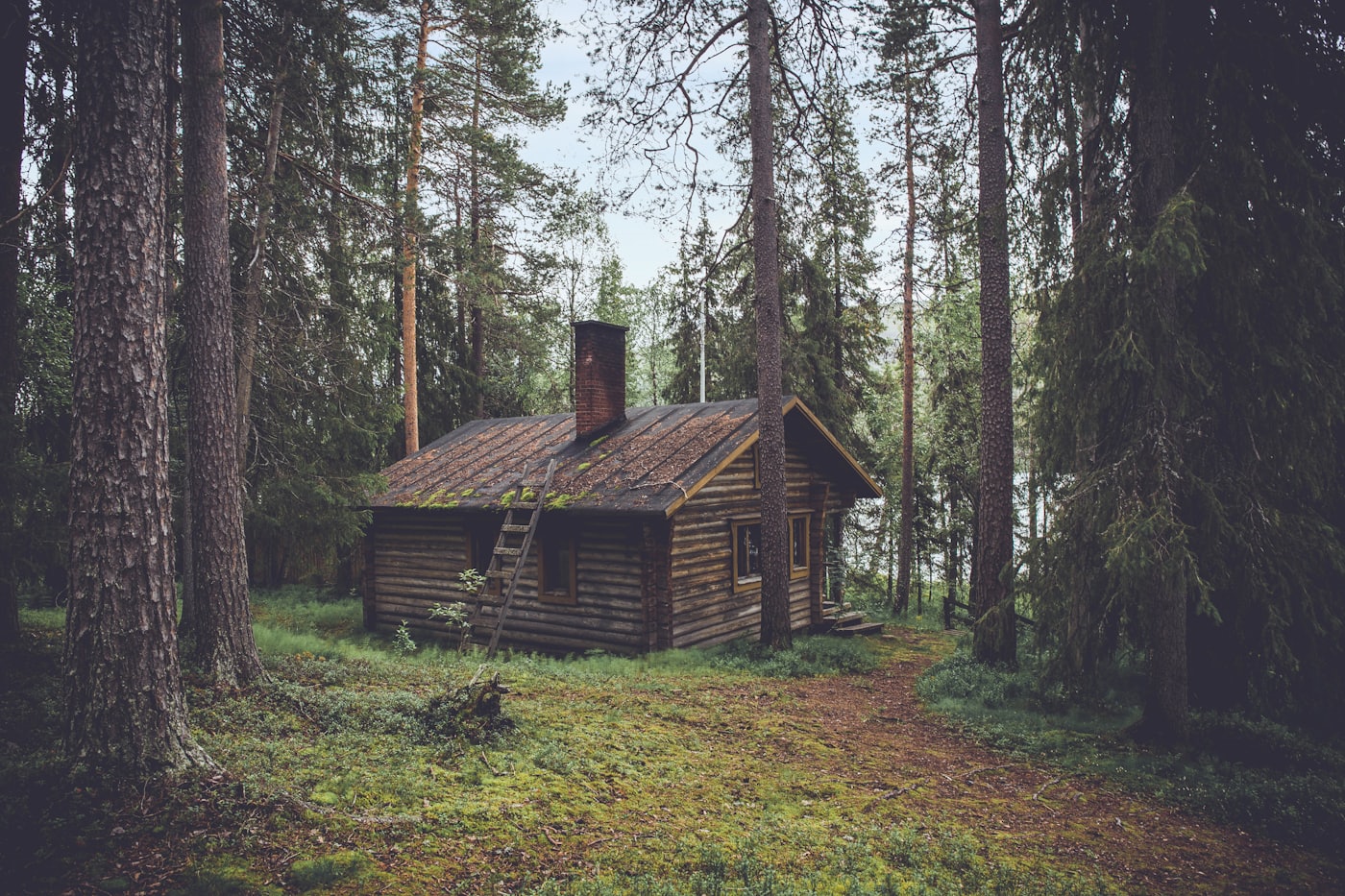
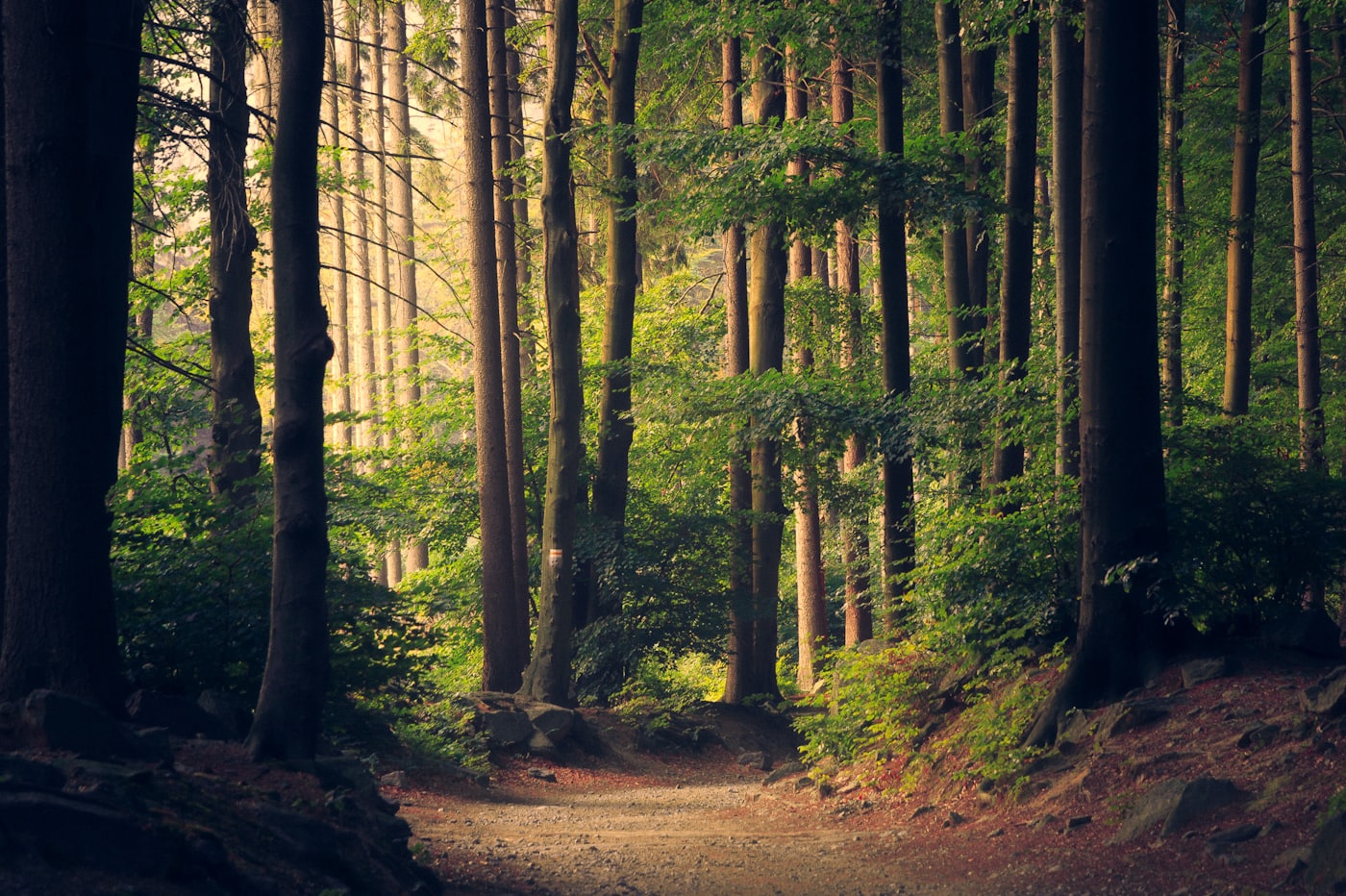
People ask for a property surrounded by nature and mean something specific: no neighbours in sight, trees or open hillside on every side, silence. That exists in Morni. It is also the version of hill ownership that most often disappoints, and the reasons are practical rather than romantic.
This page is written so you can choose the right distance rather than the maximum one.
What isolation actually involves
| What you gain | What comes with it |
|---|---|
| No neighbours in sight | Nobody notices if something goes wrong |
| Complete quiet | Help is further away when you need it |
| Space on every side | More boundary to maintain and watch |
| Wildlife close by | Wildlife close by |
| Lower land cost per unit | Higher cost to build, connect and service |
| Privacy | A caretaker becomes essential, not optional |
The five practical questions
- Where does water come from, and is it yours? Isolated plots are the ones most likely to depend on a seasonal source.
- How far is the power line? Distance from the nearest pole is a direct cost, and sometimes a large one.
- Who will look after it? A caretaker who lives twenty minutes away is not the same as one nearby.
- Can a truck reach the site? Building material decides much of your budget.
- What happens if the approach is blocked? A single track with no alternative is a real consideration in the monsoon.
How far out is far enough
Most people who say they want complete isolation are happier with something short of it. A useful test is this: can you see one occupied house from your plot?
- One house in sight — quiet, private, and somebody notices if a door is open. This suits most buyers.
- No house in sight, village within a kilometre — genuinely secluded, still supportable.
- Nothing within several kilometres — beautiful, and a real commitment in upkeep, access and security.
The middle option is what we recommend to most families, and it is what most people picture when they say they want to be surrounded by nature.
Making an isolated property work
- Arrange the caretaker before possession, not after the first problem.
- Keep a cleared margin around the building for fire safety and visibility.
- Store water for several days rather than one.
- Keep power backup and service it before you need it.
- Know your neighbours, however far they are. In an emergency they are what you have.
- Leave nothing valuable in the house between visits.
What it is like through the year
In winter, an isolated house is clear, quiet and cold. In spring it is at its best. In May it is hot and the water source is tested. In the monsoon the growth closes in, the approach is at its worst and visits become harder. In October it is beautiful again.
Two of those five periods are difficult, and both are the ones nobody visits before buying.
What it costs to connect an isolated plot
Distance from services is where the saving on isolated land quietly disappears. Get figures for all five before deciding the plot is cheap.
| What | What to ask |
|---|---|
| Electricity | Distance to the nearest pole; whether poles must be added |
| Water | Borewell depth locally, or distance to a village line |
| Approach | Cost to make the last stretch usable by a loaded truck |
| Material transport | What a builder adds for this location specifically |
| Caretaker | Whether anyone suitable lives near enough |
The last row is not a cost so much as a constraint. A plot with no possible caretaker nearby is a plot that needs a different plan.
Security, sensibly rather than anxiously
- Somebody who looks in regularly matters more than any device.
- Keep the immediate surroundings cleared so nothing is concealed close to the house.
- Fit good locks and shutters, and change locks at handover.
- Leave nothing valuable between visits — that removes most of the risk.
- Know the neighbours, however distant, and give them your number.
- Keep the approach visible rather than screened right up to the gate.
People own isolated property here without difficulty. What they do not do is leave it entirely alone and hope.
What buyers actually ask us
- Is it safe? With a caretaker, cleared surroundings and neighbours who know you, yes.
- Will I actually use it? Honestly, less than a closer property. Weigh that heavily.
- Is it cheaper? The land is. The building, connections and upkeep are not.
- Can I let it to guests? Harder — guests want to reach a place easily too.
See an isolated one and a nearby one
We will show you both on the same day. Standing on each for twenty minutes settles the question faster than any description, and it is the comparison people most often change their minds on.
Call or WhatsApp +91 83073 77270, or use the enquiry form. Current listings are on the properties page. See also what quiet actually involves and living beside trees.
For photographs of a secluded plot or house, Sandeep Photography covers Panchkula and Morni.
Questions People Ask
+What does buying an isolated property in Morni really involve?
+How far out should I go?
+Is isolated land cheaper?
+What are the practical questions to ask?
+Is an isolated house in Morni safe?
+Will I use an isolated property as much?
+Can I let an isolated property to guests?
+When is an isolated property most difficult?
Read next
- All property in Morni Hills — plots, land, farmhouses and cottages
- Residential plots for sale
- Farmhouses in Morni Hills
- The full Morni property guide
Land records for Haryana are public — look any plot up yourself at jamabandi.nic.in, and district information is at panchkula.gov.in.
Also from us: Sandeep Photography — wedding, pre-wedding and event photography across Chandigarh, Panchkula and Mohali. Most people mark a new house with a griha pravesh, and later a wedding.

Sky Property Morni Hills
We buy, sell and arrange land in Morni and around Panchkula, and we live here. Call +91 83073 77270 with anything this article did not answer.
Looking for land in Morni?
Tell us the budget and the area. Site visits are free, with no obligation.