Land in Morni Hills: The Ground Itself, Before the Price
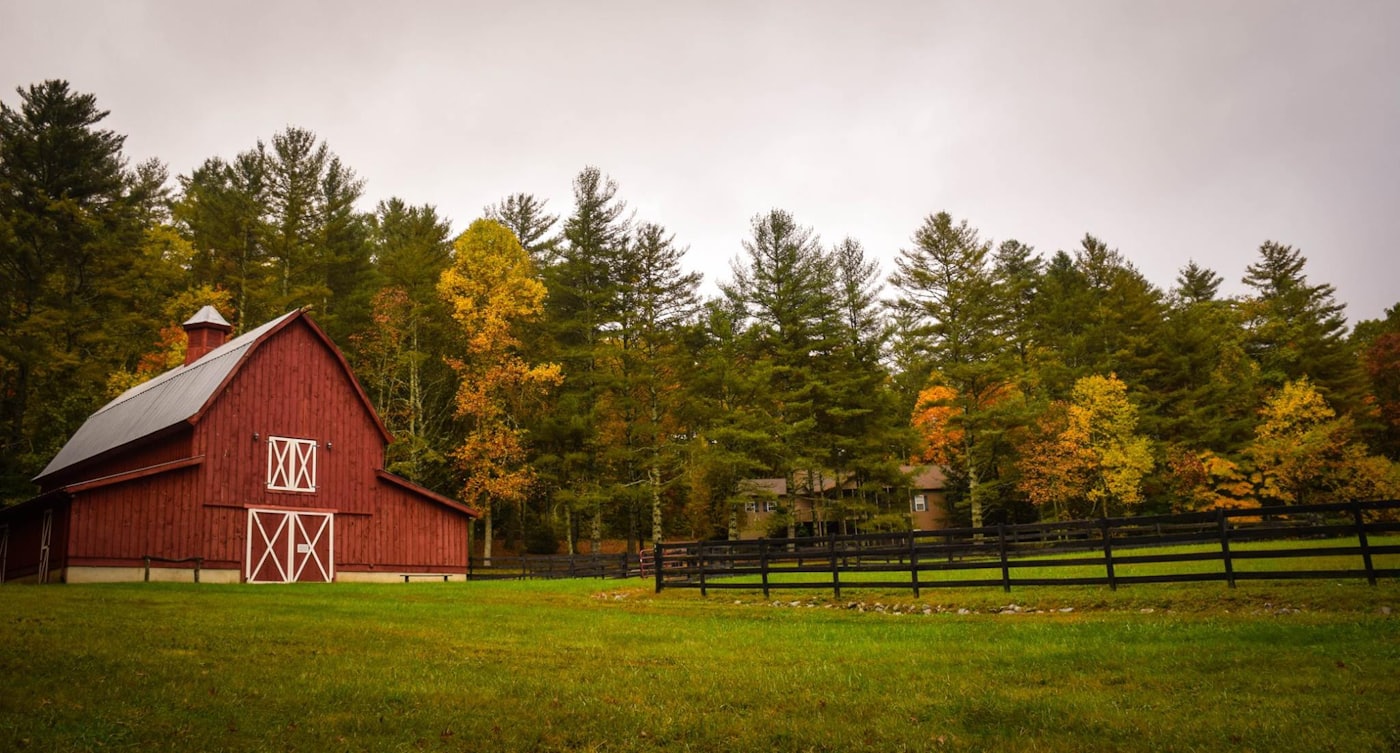
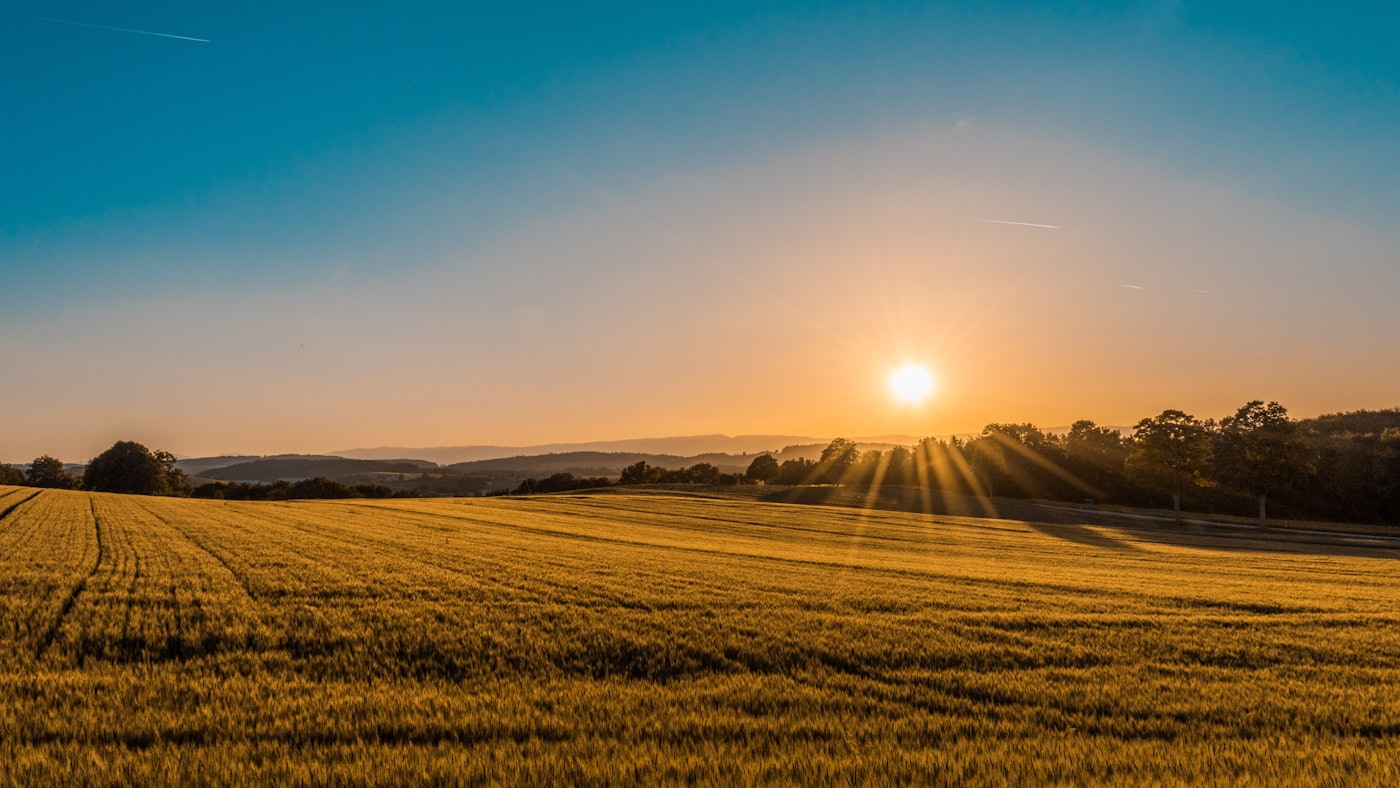
Slope, soil, terraces, drainage and which way the sun falls. Before anyone talks about rate, this is what decides whether a piece of Morni land is worth having.
Land in Morni Hills is judged on paper by area and on the ground by something else entirely. Two pieces of the same size can be worth very different money, and the reasons are physical rather than commercial.
Slope
Everything here has slope. The question is how much, and in which direction the ground falls.
- Gentle slope — one retaining wall makes a level platform. This is the good ground and it is priced accordingly.
- Terraced — already stepped by generations of cultivation. Usable, and the terrace walls tell you how the water behaves.
- Cut face — steep. Two or three retaining walls plus deeper foundations, which is lakhs before the house begins.
Stand on the plot and look at where the ground would have to be cut. That is the first cost of any build, and it is invisible in a photograph.
Which way it faces
South and south-east hold the winter sun longest. A north-facing slope loses light by mid-afternoon in December, stays cold, and dries slowly after rain.
In June nobody notices. In January it decides how the house feels every single day.
Soil and terraces
Morni's terraces have carried wheat and maize for generations, so the soil is known and worked. Where terraces are well maintained, the land holds water and drains without cutting channels of its own.
Where terrace walls have collapsed, water runs where it likes. That is repairable, but price it in rather than looking past it.
Drainage
The most under-examined thing on any hill plot. Walk it and ask: where does water go in July? If the answer is "across the middle of where I would build", that is a problem you inherit.
Land above a natural drainage line is generally safer than land in one, whatever the view is like.
Trees
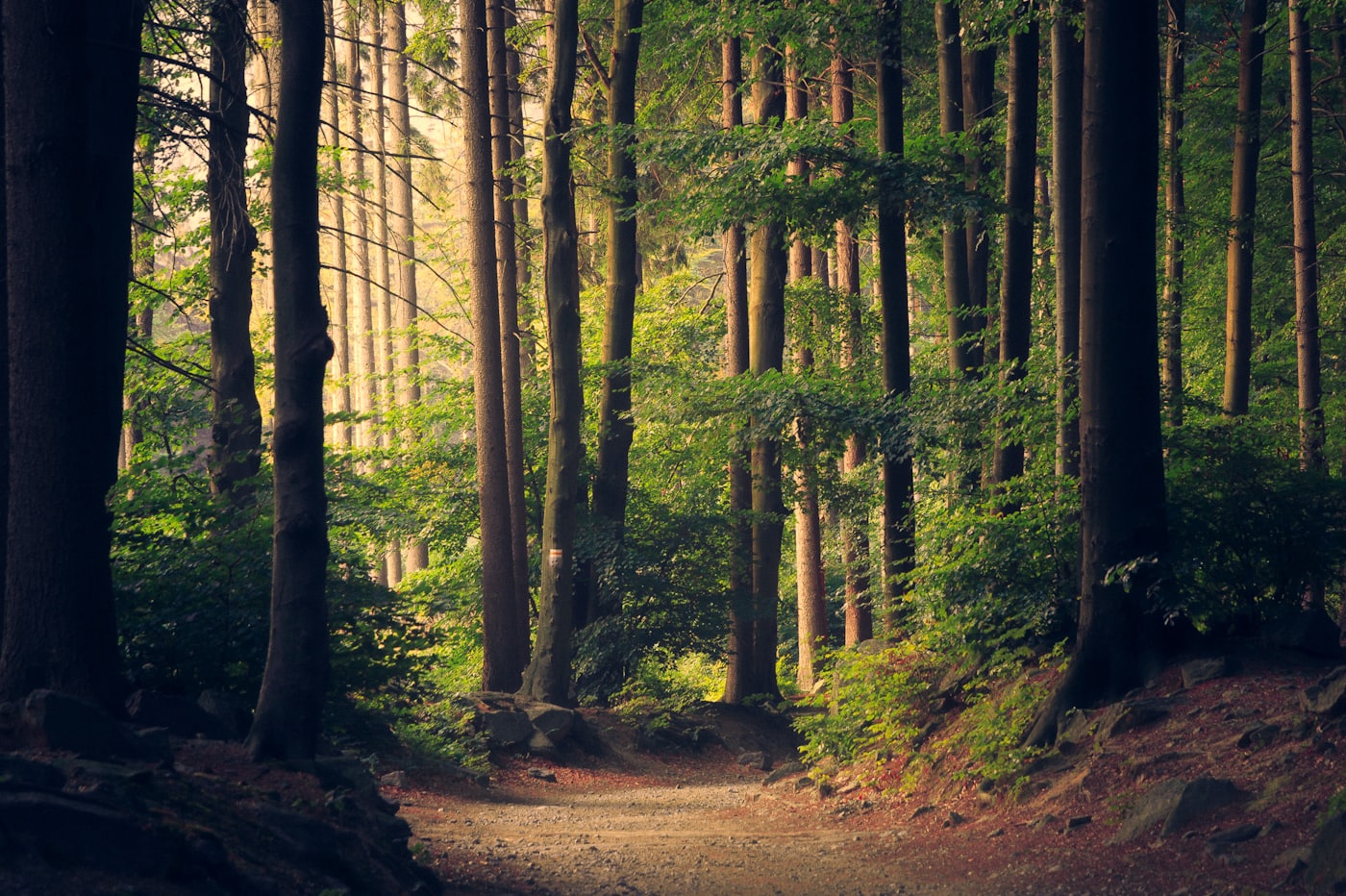
Existing trees are worth noticing. Mature trees mean stable soil and shade. They also mean permissions if you intend to remove any, and a mature orchard is an asset in its own right.
What to do on the visit
- Walk the boundary corner to corner
- Stand where the house would be and look at the cut required
- Note which way the slope faces
- Trace where water would run in heavy rain
- Look at the condition of terrace walls
- Count and identify existing trees
- Check the ground after rain if you possibly can
None of this requires expertise. It requires being there and looking, which is why we will not sell to anyone who has not walked the land.
Questions People Ask
+Can anyone buy property in Morni Hills?
+How much does property in Morni Hills cost?
+What documents should I check before buying?
+Is there a road to every plot?
+Can I build a house on agricultural land?
+Is water available?
+Is electricity available in Morni?
+How long does the purchase take?
+What is the stamp duty in Haryana?
+Do I need a lawyer?
+Can I get a home loan on land in Morni?
+How far is Morni from Chandigarh?
+What area units are used here?
+Is Morni a good investment?
+How quickly can I sell land in Morni?
+Do you charge for a site visit?
+What is the best time to visit?
+What should I avoid?
+Can you help me sell my property in Morni?
+How do I contact Sky Property Morni Hills?
Read next
- All property in Morni Hills — plots, land, farmhouses and cottages
- Residential plots for sale
- Farmhouses in Morni Hills
- The full Morni property guide
Land records for Haryana are public — look any plot up yourself at jamabandi.nic.in, and district information is at panchkula.gov.in.
Also from us: Sandeep Photography — wedding, pre-wedding and event photography across Chandigarh, Panchkula and Mohali. Most people mark a new house with a griha pravesh, and later a wedding.

Sky Property Morni Hills
We buy, sell and arrange land in Morni and around Panchkula, and we live here. Call +91 83073 77270 with anything this article did not answer.
Looking for land in Morni?
Tell us the budget and the area. Site visits are free, with no obligation.