Morni Hills Monsoon — The Best and Hardest Season
The monsoon is when Morni looks its best and is at its most difficult. Worth coming for if you are staying, and worth avoiding for a day trip.
July to September is the season most people are told to avoid and the one that owners here quietly like best. Both positions are right, and which applies to you depends almost entirely on whether you are staying overnight or driving up for the day.
What the monsoon is actually like
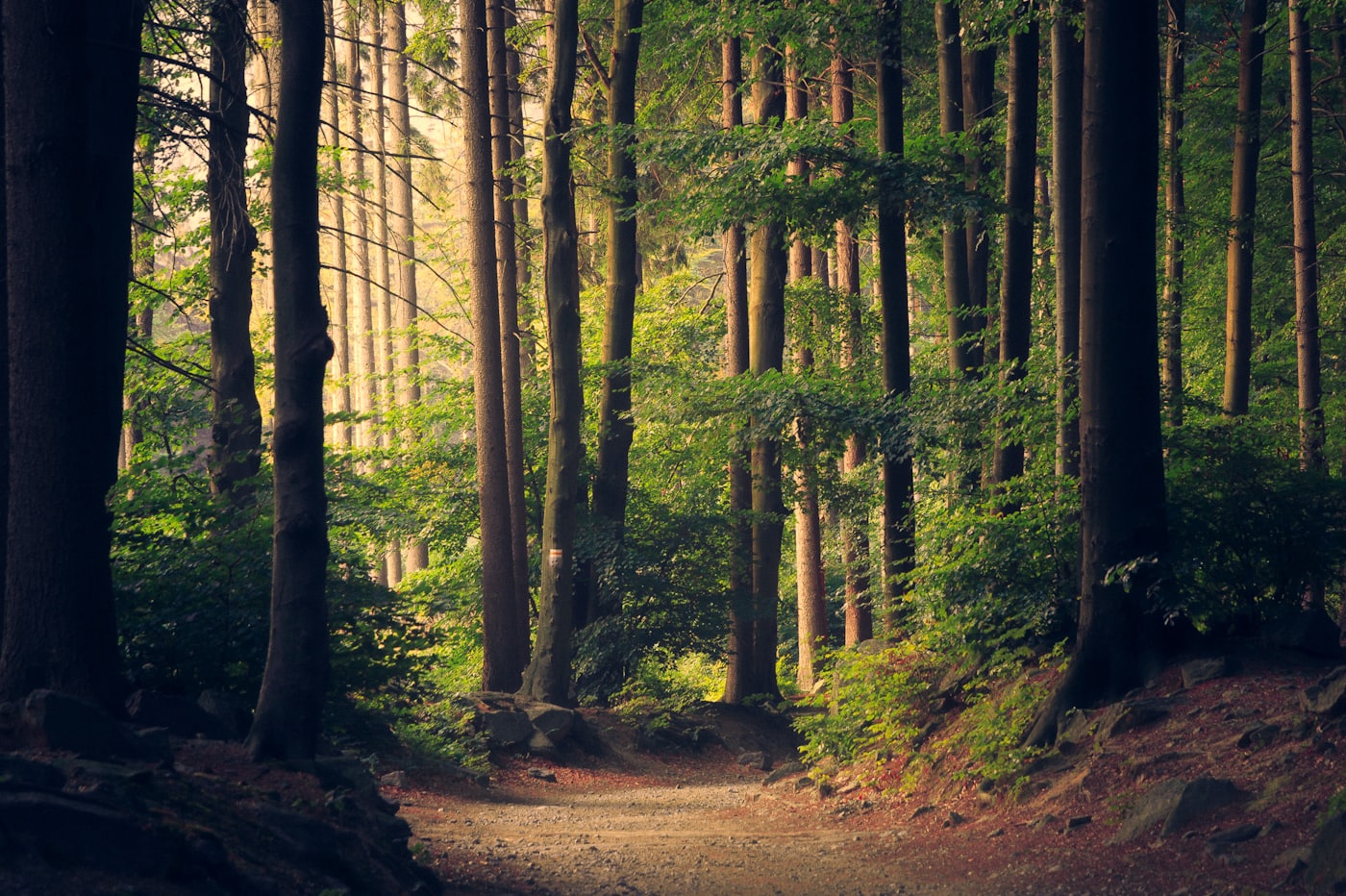
- Green in a way the rest of the year is not. Everything grows, fast.
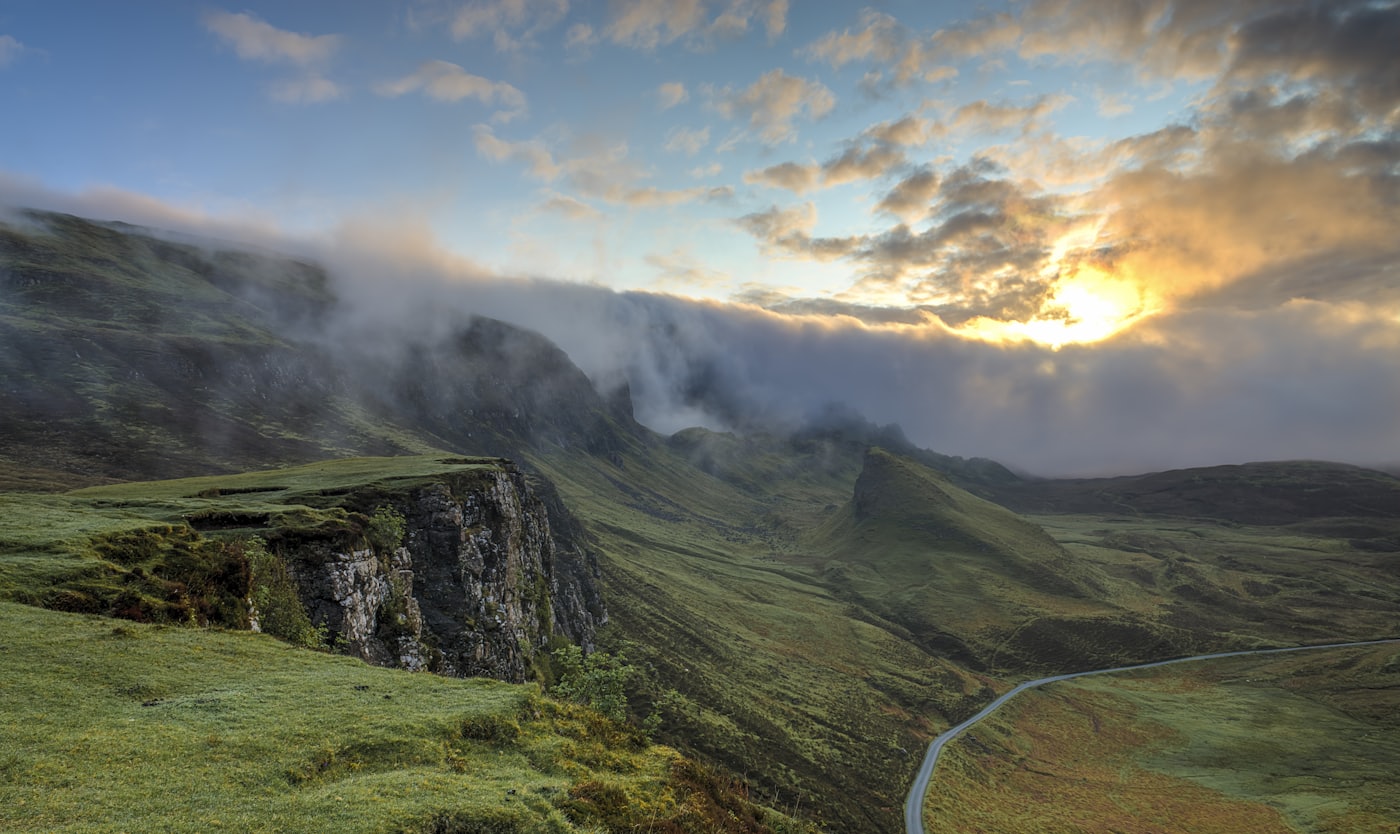
- Cloud in the valley. It moves through, fills the bowl, lifts again. This is the single best thing about the season.
- Rain in spells rather than continuously — long dry gaps are common.
- Humid, though cooler than the plains.
- Very quiet. Few visitors, easy bookings, low prices.
- Alive. Birds, insects, frogs. The hills are noisy in a way they are not in December.
What is difficult
| Difficulty | What it means |
|---|---|
| The road | Stones and small slips happen; they are cleared but allow time |
| Tracks | Slippery; streams that were dry can be running |
| Views | Often closed entirely by cloud for a day at a time |
| Power | Cuts are more likely |
| Damp | Clothes and bedding stay damp; bring spares |
| Insects | Considerably more of them |
Day trip or overnight?
Day trip: we would generally say no. You may drive two hours and find cloud, wet ground and a road that needs care, with nowhere dry to sit it out.
Overnight: genuinely worth it. With somewhere covered to sit, the monsoon is the most dramatic version of Morni, and you will have the place largely to yourself.
How to do a monsoon visit well
- Book somewhere with a covered outdoor space. It is the whole trip.
- Check the road with your stay before you set out.
- Travel light on plans — one short walk a day between spells.
- Bring a spare set of dry clothes and footwear with grip.
- Carry a torch; power cuts are more likely.
- Allow extra time for the drive, both ways.
- Do not attempt unfamiliar tracks or cross running water.
Photography in the monsoon
- The best conditions of the year for anyone who likes cloud and mood.
- Light changes minute to minute; wait rather than chase.
- Shoot from under cover between spells.
- Bring something to keep equipment dry, and expect condensation.
- Early morning after rain is exceptional.
If you are looking at property
This is the season to do it, and almost nobody does.
- The approach shows itself. A track that is fine in April is honest in August.
- Drainage becomes visible. You can see where water runs on a plot.
- Existing houses reveal their problems. Damp, blocked drains, failing retaining walls all show now.
- Roofs are being tested as you look at them.
One monsoon visit tells you more about a property than three visits in the dry season. If you can only make one extra trip before buying, make it this one.
Safety
- Do not drive through running water on a road.
- Do not walk unfamiliar tracks; surfaces are loose and streams rise fast.
- Avoid steep cut faces and loose banks after heavy rain.
- Keep an eye on the return road rather than leaving it to chance.
- Take local advice about where not to go. It is given for a reason.
What the monsoon does to buildings
Useful for anyone staying, and essential for anyone buying.
- Roofs are tested. Leaks show up now and nowhere else.
- Drains block with leaf litter and silt, then water finds its own path.
- Retaining walls take pressure from water behind them, which is what makes them fail.
- Damp rises at the base of uphill walls.
- Approaches erode, particularly where a track channels water.
- Unoccupied houses suffer most, because nobody notices the first problem.
What owners here do each monsoon
- Clear every drain and gutter before the rains start.
- Cut back growth touching walls.
- Check the channel above the house is open.
- Visit or send someone during the first heavy spell.
- Fix what the first spell reveals rather than waiting for September.
- Repair the approach after the season rather than before the next one.
Almost every large repair bill in these hills began as a small monsoon problem that got one more season of being ignored.
What people actually ask us
- Is Morni worth visiting in the monsoon? For an overnight stay, distinctly. For a day trip, no.
- Does it rain all day? Rarely. It comes in spells with long dry gaps.
- Is the road closed? Occasionally and briefly, then cleared. Allow extra time.
- Is it cheaper? Yes, and easy to book at short notice.
Come and see a plot in the rain
If you are seriously considering buying, ask us to show you your shortlist in August. It is the visit that changes minds, and we would rather you changed it before paying than afterwards.
Call or WhatsApp +91 83073 77270, or use the enquiry form. Current listings are on the properties page. See also the climate through the year and the problems to check for.
For photographs in monsoon light, Sandeep Photography covers Panchkula and Morni.
Questions People Ask
+Is Morni Hills worth visiting in the monsoon?
+Does it rain all day during the monsoon?
+Is the road to Morni closed in the monsoon?
+What should I pack for a monsoon visit?
+Is the monsoon good for photography?
+Why should property buyers visit in the monsoon?
+What are the safety points in the monsoon?
+Is it cheaper to stay in the monsoon?
Read next
- All property in Morni Hills — plots, land, farmhouses and cottages
- Residential plots for sale
- Farmhouses in Morni Hills
- The full Morni property guide
Land records for Haryana are public — look any plot up yourself at jamabandi.nic.in, and district information is at panchkula.gov.in.
Also from us: Sandeep Photography — wedding, pre-wedding and event photography across Chandigarh, Panchkula and Mohali. Most people mark a new house with a griha pravesh, and later a wedding.

Sky Property Morni Hills
We buy, sell and arrange land in Morni and around Panchkula, and we live here. Call +91 83073 77270 with anything this article did not answer.
Looking for land in Morni?
Tell us the budget and the area. Site visits are free, with no obligation.