Nature View Plots in Morni Hills — The Year, Month by Month
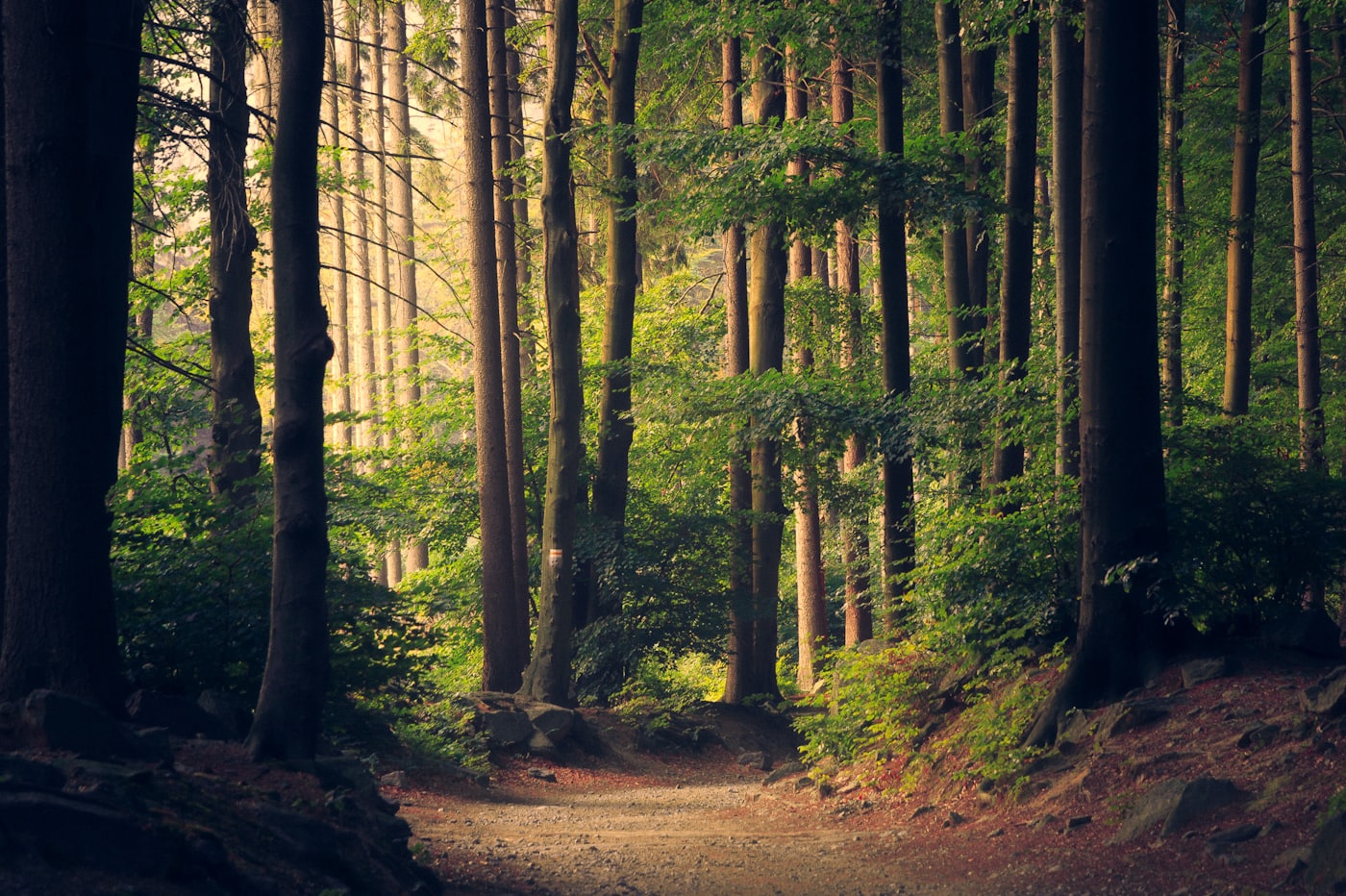
You are not buying a photograph, you are buying twelve months of weather and light. What a Morni plot actually looks and feels like through the year.
People buy nature view plots on the strength of one visit, usually in October or March, on a clear day. What they own afterwards is the whole year, and the year varies more here than a single visit suggests.
This is what that year looks like, so you can decide with the whole picture rather than a good afternoon.
The year in Morni
| Months | What it is like | What it means for a plot |
|---|---|---|
| December – February | Cold, clear, long visibility | Best views of the year; sun matters, so aspect shows |
| March – April | Green returning, pleasant | The season everyone visits and buys in |
| May – June | Hot, hazy, dry | Water sources tested; distant views soften |
| July – September | Monsoon, cloud, heavy growth | Access and drainage tested; views often closed |
| October – November | Washed clean, warm days | Many people think this is the best time here |
What changes that buyers do not expect
- Growth. What is an open outlook in April can be a wall of green by August. Look at what is growing below the plot.
- Water. A channel full in September may be dry in May. This is the single most important seasonal fact here.
- The road. An approach that is fine in March can be difficult after a heavy monsoon spell.
- Visibility. Distant ridges visible in January can vanish into haze by May.
- Insects and damp. Both arrive with the rain and both matter to how a house is built.
How to see a plot properly
Two visits in different seasons tell you more than five in the same one.
- First visit, any pleasant month. Judge the outlook, the aspect and the setting.
- Second visit, May or the monsoon. Judge the water, the access and the growth.
- Stand where the house would be, seated, on both visits.
- Photograph the same frame each time, so you can compare rather than remember.
- Ask a neighbour what the plot is like in the season you are not seeing.
What makes a nature outlook durable
- Land in front that is steep, wooded or not classified for building.
- Mature trees rather than young plantation below the sight line.
- A pocket where little has been built in the last decade.
- No road or line planned through the foreground — ask, do not assume.
An outlook over ground somebody can easily build on is a view you are renting from the future, not one you have bought.
Living with the seasons, practically
- Design drainage for the heaviest week, not the average.
- Store water for the driest month, not the wettest.
- Plan two boundary clearings a year, because growth here is fast.
- Expect to visit less in the monsoon, and arrange for someone local to look in.
- Keep a covered outdoor space, which extends the usable year considerably.
What to photograph on each visit
Memory flatters a good day. A small, disciplined photographic record turns two visits into a genuine comparison and takes ten minutes.
- The outlook, from the exact house position, seated, with the date on.
- The ground immediately in front, so you can judge growth later.
- The approach road, especially the final stretch.
- The water source, whatever it is.
- The boundary and its markers, on all sides.
- Anything under construction within sight.
Take the same six frames on each visit. Comparing them side by side after a monsoon visit tells you more than an hour of discussion with anyone, including us.
Questions to ask a neighbour
Neighbours have no stake in your purchase and they have lived through every season here. Ten minutes of courtesy buys better information than any report.
- What is this plot like in the monsoon?
- Where does your water come from, and does it hold in May?
- Has the approach ever been blocked, and for how long?
- Has anything been built nearby recently, or is anything planned?
- What grows well here, and what does not?
- Is there anything about this piece of land I should know?
That last question, asked plainly, produces the most useful answers. People generally tell you.
What buyers actually ask us
- When is Morni at its best? Most people say October and November, then December for clarity.
- Is the monsoon unpleasant? It is dramatic rather than unpleasant, but it tests everything.
- Does the greenery block the view in summer? Below the plot, sometimes. Look at what is growing.
- How many months is it comfortable outside? Most of them, with shade in May and shelter in the rain.
Come twice
If you take one piece of advice from this page, take this: see the plot once when it is beautiful and once when it is difficult. We will arrange both, and we would rather you bought after the second visit.
Call or WhatsApp +91 83073 77270, or use the enquiry form. Current listings are on the properties page. See also how to check a view will last and water and electricity questions.
For photographs of a plot across seasons, Sandeep Photography covers Panchkula and Morni.
Questions People Ask
+What is Morni Hills like through the year?
+When do most people visit and buy?
+Does summer growth block the view?
+When should I test the water source?
+When should I test the approach road?
+How many visits should I make before buying?
+What makes a nature outlook last?
+Is the monsoon unpleasant in Morni?
Read next
- All property in Morni Hills — plots, land, farmhouses and cottages
- Residential plots for sale
- Farmhouses in Morni Hills
- The full Morni property guide
Land records for Haryana are public — look any plot up yourself at jamabandi.nic.in, and district information is at panchkula.gov.in.
Also from us: Sandeep Photography — wedding, pre-wedding and event photography across Chandigarh, Panchkula and Mohali. Most people mark a new house with a griha pravesh, and later a wedding.

Sky Property Morni Hills
We buy, sell and arrange land in Morni and around Panchkula, and we live here. Call +91 83073 77270 with anything this article did not answer.
Looking for land in Morni?
Tell us the budget and the area. Site visits are free, with no obligation.