Tikkar Taal Lake — The Two Lakes, Season by Season
There are two lakes rather than one, they look quite different from each other, and both change substantially through the year. What to expect when you get there.
Most people arrive at Tikkar Taal expecting a single lake and find two. They sit a short distance apart, they are quite different from each other, and both change more through the year than photographs suggest.
Two lakes, not one
- The larger taal is the one most photographs show, with the more open outlook and the majority of visitors.
- The smaller taal is nearby, quieter, and preferred by people who want to sit rather than to look.
- A road runs between them, so seeing both is a matter of minutes rather than a separate trip.
If you have an hour, walk between them rather than driving. The short stretch of road is one of the better bits of the visit.
How the lakes change through the year
| Season | What you will find |
|---|---|
| Post monsoon, Oct – Nov | Fullest and clearest; most people's favourite |
| Winter, Dec – Feb | Cold, very clear, long visibility across the hills |
| Spring, Mar – Apr | Green surroundings, busiest weekends |
| Summer, May – Jun | Levels lower, haze builds, hot in the afternoon |
| Monsoon, Jul – Sep | Green and dramatic; cloud often sits in the bowl |
Water level is the thing that surprises people. A lake seen in October and the same lake seen in late May are not the same sight, and only one of them is on the postcard.
What there is to do at the water
- Sit. Genuinely the main activity, and the reason most people come.
- Walk between the two lakes and around the accessible edges.
- Birds. Early morning is much better than midday.
- Photography, particularly in the hour after sunrise and before sunset.
- Boating, which has been available here at times. Check the current position before travelling rather than assuming.
Practical points
- Come early. Mornings are quieter, cooler, clearer and better for birds.
- Carry water and something to eat. Do not rely on finding either at a particular hour.
- Keep children away from the edges, which are not fenced everywhere.
- Treat swimming as a no unless you have checked locally.
- Carry all your waste back down. There is little collection up here.
- Fuel up before the climb.
A note on respecting the place
These lakes are small, and the number of weekend visitors has grown steadily over the last decade. Litter and noise are the two things that visibly damage the experience for everyone, including the people who live here.
Take your rubbish home, keep music to yourself, and park where you are meant to. It is a short list and it makes a genuine difference to a place this size.
What being near the lakes means for a property
- Weekend traffic in season, roughly March to June and again in October.
- Better maintained approach roads than remoter parts of Morni.
- Real guest demand if you intend to let rooms.
- Higher prices, reflecting the known name.
- No water for your plot — the lakes supply nothing. Ask where the plot's own supply comes from.
That last point catches buyers repeatedly. There is more on it in our guide to land near the lakes.
Photographing the lakes
This is one of the more photographed spots in Haryana and most of the pictures are taken at the worst hour. A little planning changes what you come home with.
- The hour after sunrise gives still water, soft light and no crowd. It is the best of the day by a distance.
- The hour before sunset gives warm light on the hills, though the lakes themselves fall into shade earlier.
- Midday is flat and harsh, which is when most visitors arrive.
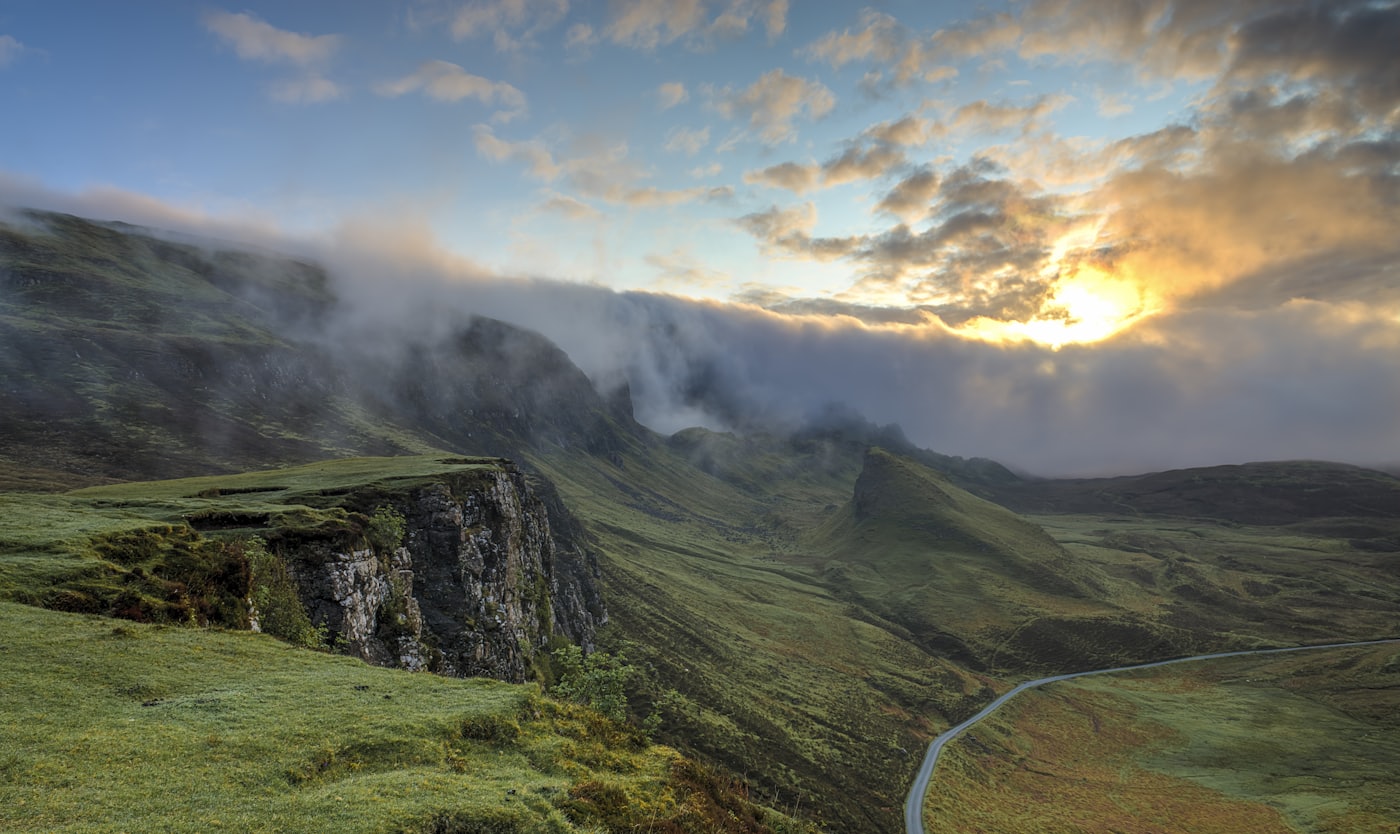
- After rain, cloud sits in the bowl and moves — the most interesting conditions here.
- Winter gives the longest visibility, with distant ridges that are invisible in May.
Walk a little away from the road for a foreground. The pictures everyone has are taken from the same three metres of tarmac.
Wildlife and birds
- Early morning is when birds are active; by ten it is largely over.
- Sit still rather than walking about. Twenty minutes in one place shows you more.
- Bring binoculars if you have them; there is nothing to hire here.
- These are real hills with real wildlife. Do not feed anything, and keep food secured.
- Ask at your homestay what has been seen recently — people who live here know.
What people actually ask us
- Do the lakes dry up? Levels drop noticeably by late May and recover after the monsoon.
- Can I see both in one visit? Easily — they are minutes apart.
- Which is better? The larger for the view, the smaller for quiet.
- Is it good for birdwatching? Early morning, yes.
If you are looking at property here
We are based in Morni. Tell us whether you want to be near the lakes or away from them and we will show you what fits, including plots a few kilometres out that usually give more for the money.
Call or WhatsApp +91 83073 77270, or use the enquiry form. Current listings are on the properties page. See also our guide to Tikkar Taal and to which slopes see the lakes.
For photographs at the lakes or of a property nearby, Sandeep Photography covers Panchkula and Morni.
Questions People Ask
+How many lakes are there at Tikkar Taal?
+Do the lakes look the same all year?
+What is there to do at the lakes?
+Can I swim at Tikkar Taal?
+Which lake is better?
+When is the best time of day to visit?
+What should I carry?
+Does a plot near the lakes have water?
Read next
- All property in Morni Hills — plots, land, farmhouses and cottages
- Residential plots for sale
- Farmhouses in Morni Hills
- The full Morni property guide
Land records for Haryana are public — look any plot up yourself at jamabandi.nic.in, and district information is at panchkula.gov.in.
Also from us: Sandeep Photography — wedding, pre-wedding and event photography across Chandigarh, Panchkula and Mohali. Most people mark a new house with a griha pravesh, and later a wedding.

Sky Property Morni Hills
We buy, sell and arrange land in Morni and around Panchkula, and we live here. Call +91 83073 77270 with anything this article did not answer.
Looking for land in Morni?
Tell us the budget and the area. Site visits are free, with no obligation.